
Loon Nesting Program
Big Mantrap:
Sanctuary for Common Loons
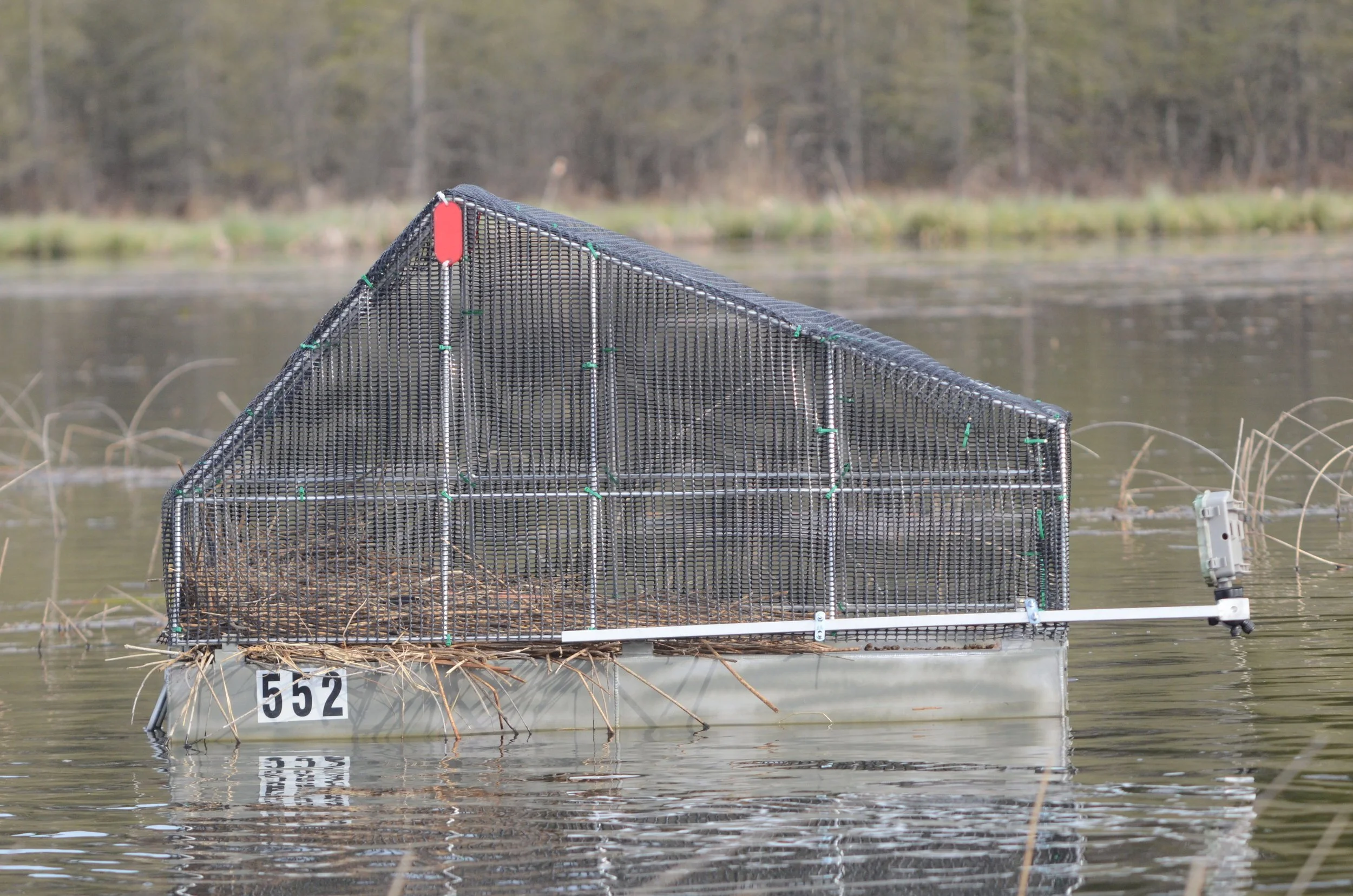
Big Mantrap Lake is a favorite hangout for loons—and it’s not just because of all the cozy bays and quiet points. Since 1990, Big Mantrap Lake Association volunteers have been building and placing loon nesting rafts throughout our lake, providing safer nesting options and tracking nesting success and behavior.
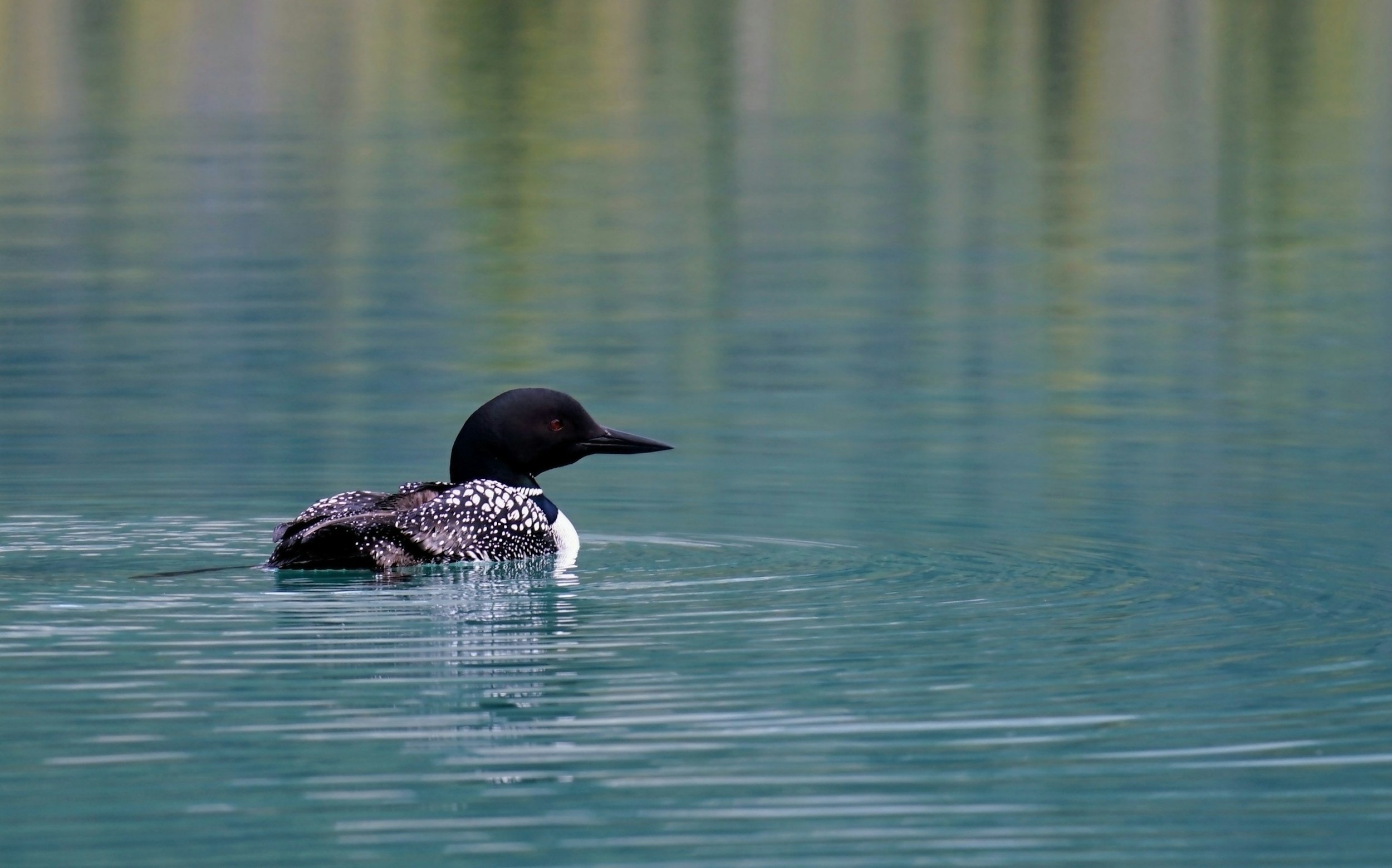
If you’ve ever heard that haunting, echoing call across the lake at dusk—that’s a loon. These iconic birds are known for their eerie, beautiful vocalizations, which they use to communicate with mates and defend their territory. Loons are exceptional divers, capable of plunging over 200 feet in search of fish. They need clear, healthy lakes like Big Mantrap to hunt and thrive.
While they’re graceful in the water, they’re a bit awkward on land due to their rear-set legs—so they rely heavily on water access for nesting and takeoff. That’s why protected shorelines and nesting rafts make such a difference.
While about 30% of the loon pairs on the lake build natural nests, the majority – around 70% – choose our floating nesting rafts. About 68% of eggs laid on Mantrap’s nesting platforms hatch compared with 45% on natural nests. Statewide about 48% of eggs hatch on both natural and artificial nests. Nesting rafts provide added safety, especially during years with high water levels or when predators are lurking.
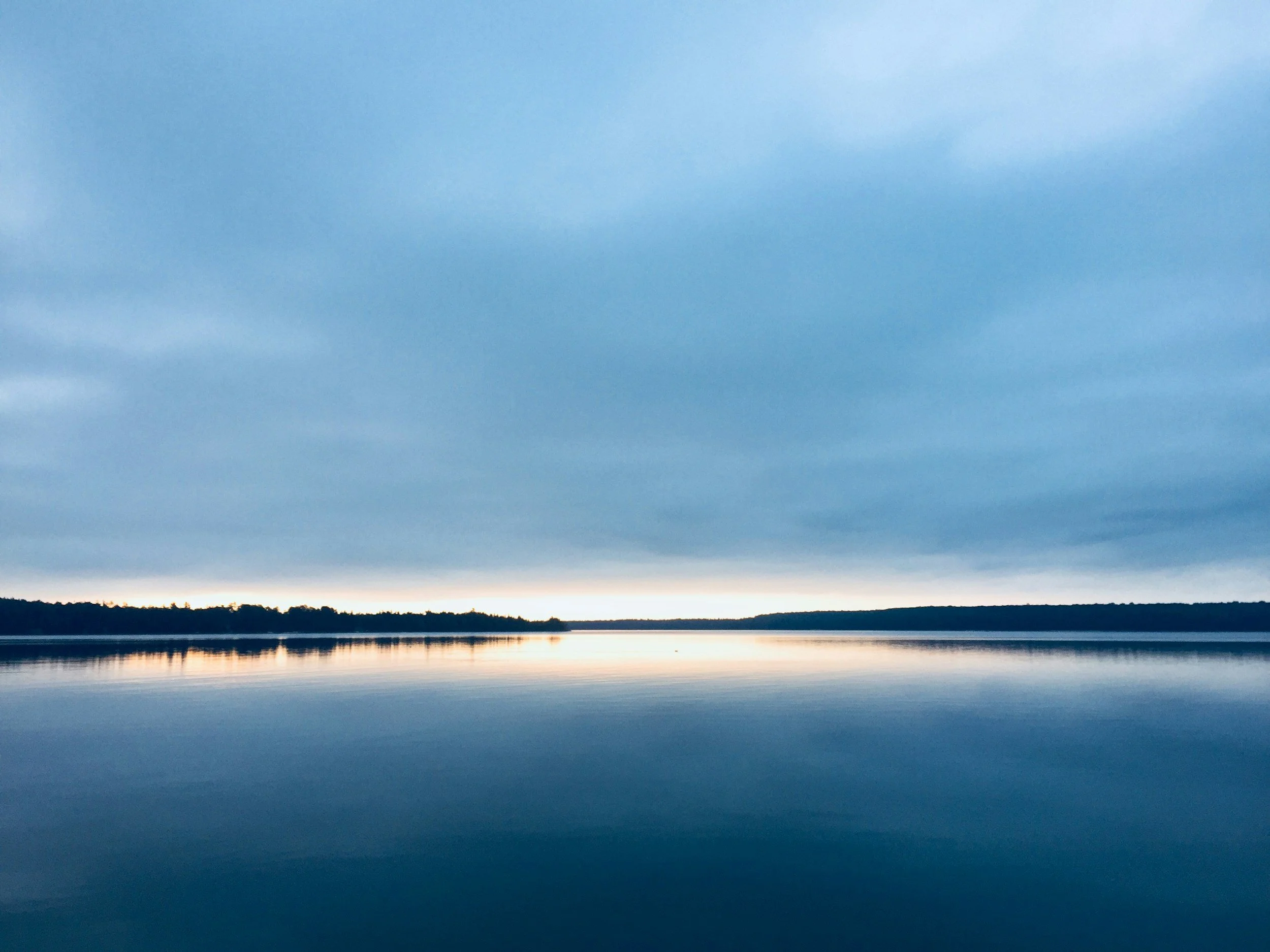
Big Mantrap Lake is ~1,600 surface acres with more than 26 miles of irregular shoreline, including five islands and many bays and coves.
Today, Big Mantrap’s loon nesting raft program is considered the gold standard among conservationists.
Mantrap is now summer home to 50-75 loons compared with about 20 adults before 1990. About 40-45 eggs are laid annually on about 20 nesting platforms and a few natural nests.
Twenty-five to 30 potential loon nesting territories have been identified. Around 24 nesting pairs use the lake between natural and artificial nests.
Loon nesting rafts are placed immediately after the ice goes out and removed three weeks after the chicks hatch. The rafts are removed so the the lake’s natural beauty is not impaired.
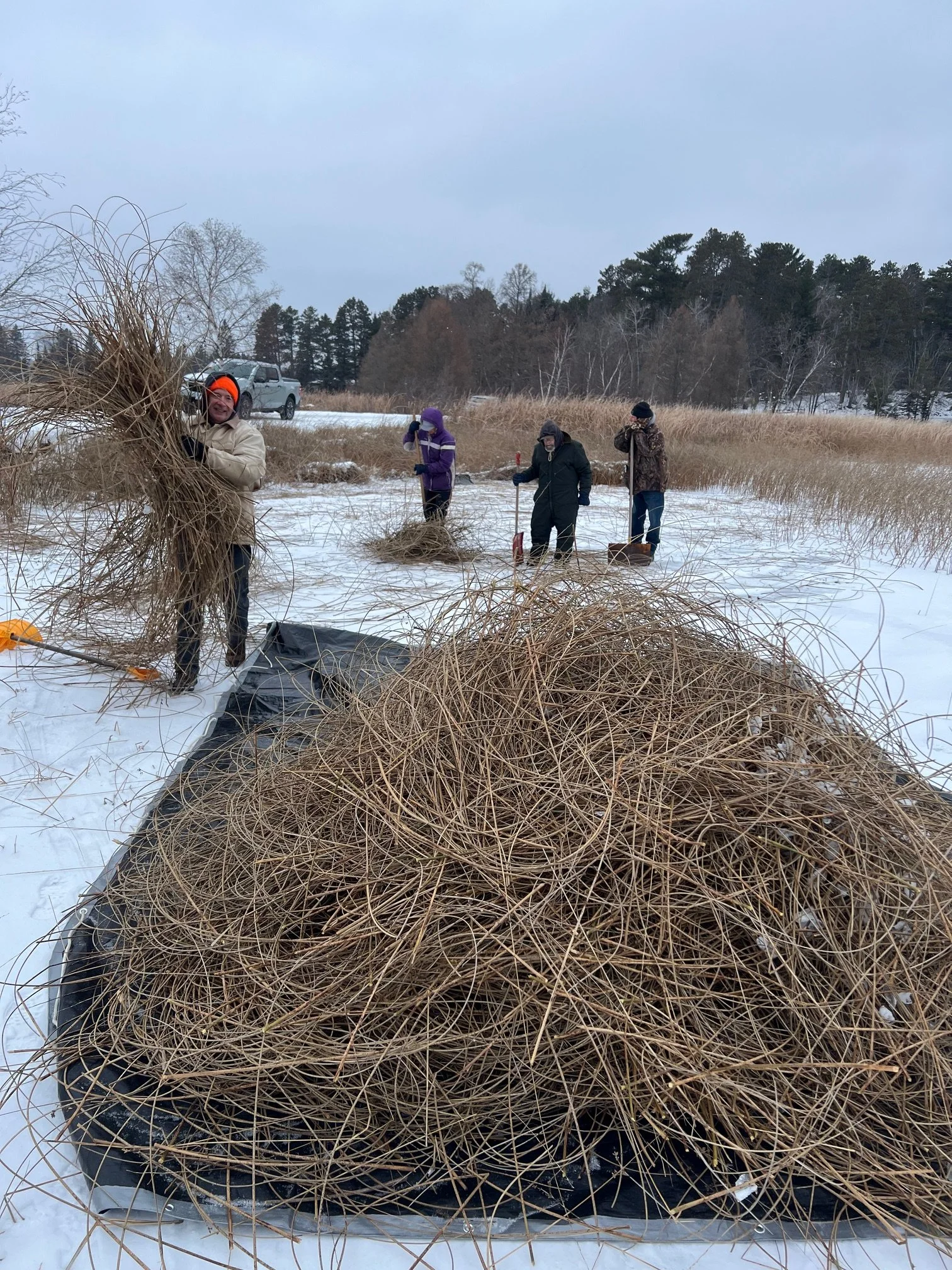
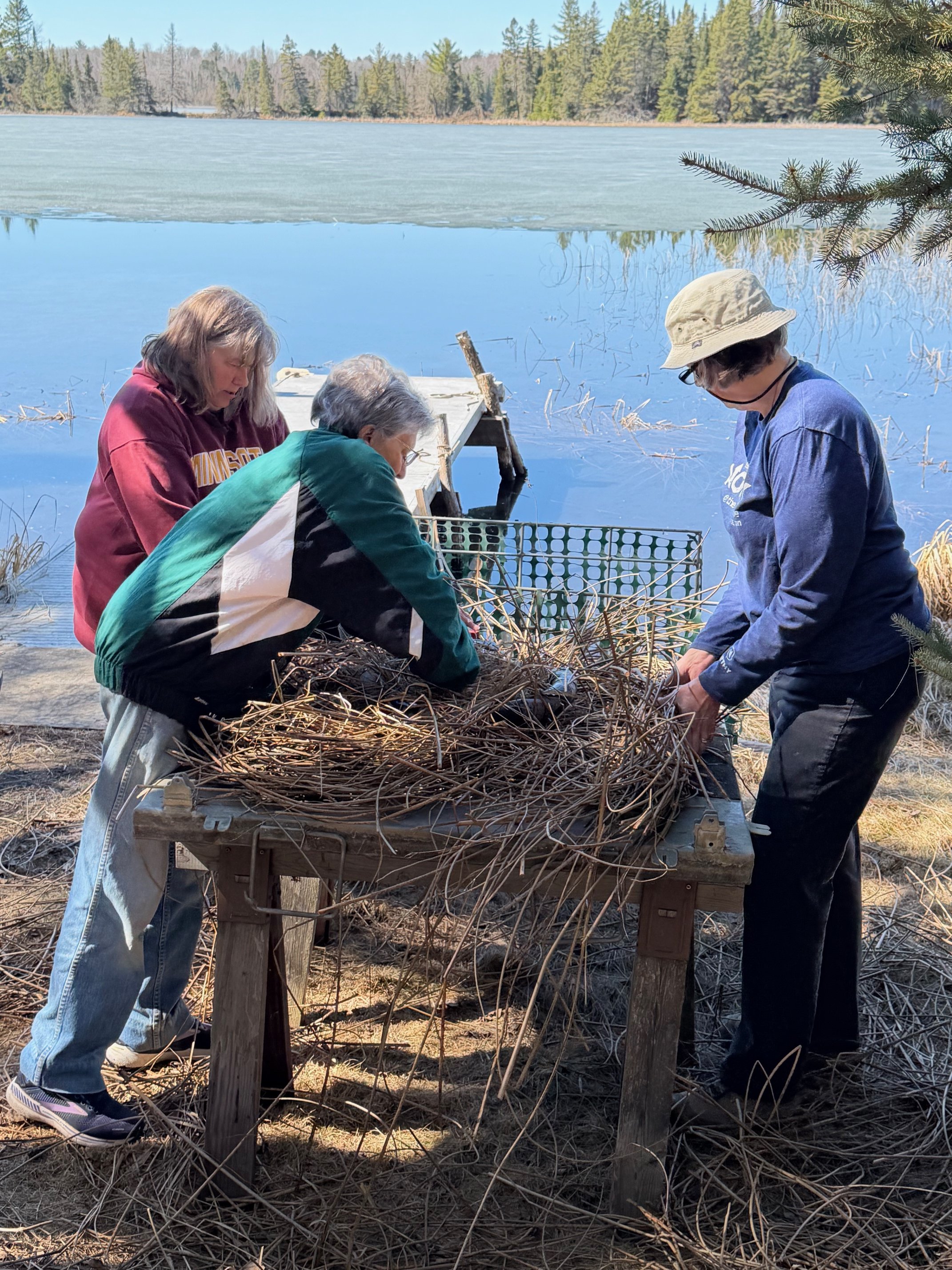
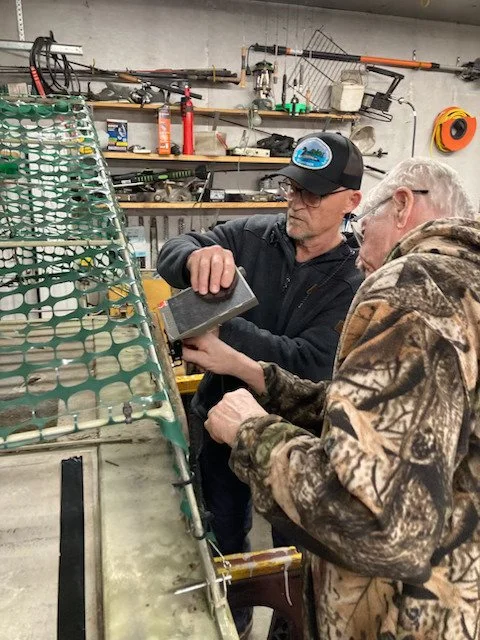
Loon volunteers work year-round, preparing, placing and removing nesting platforms, monitoring and recording nesting success, gathering nesting material, and refurbishing and improving rafts and equipment. I
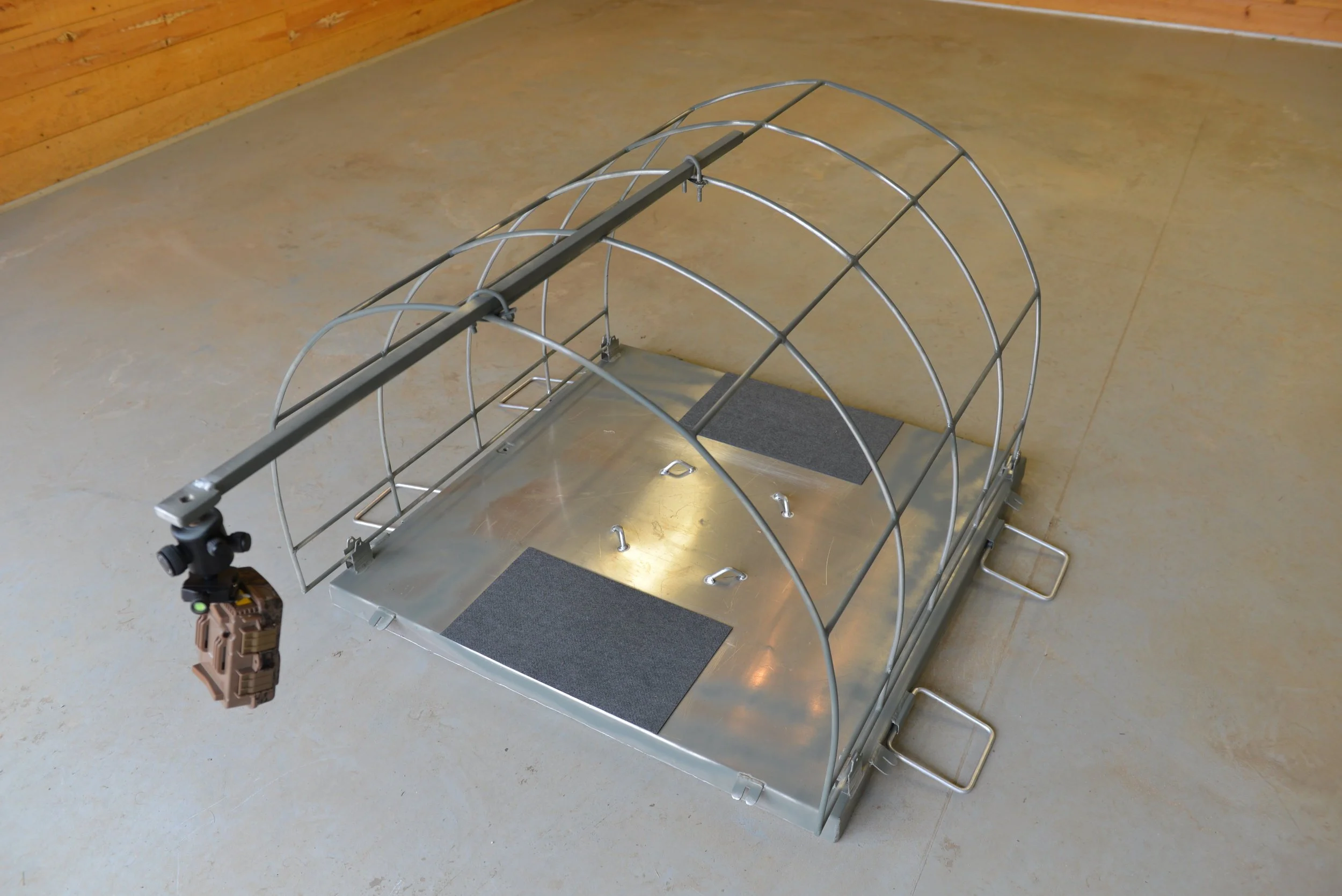
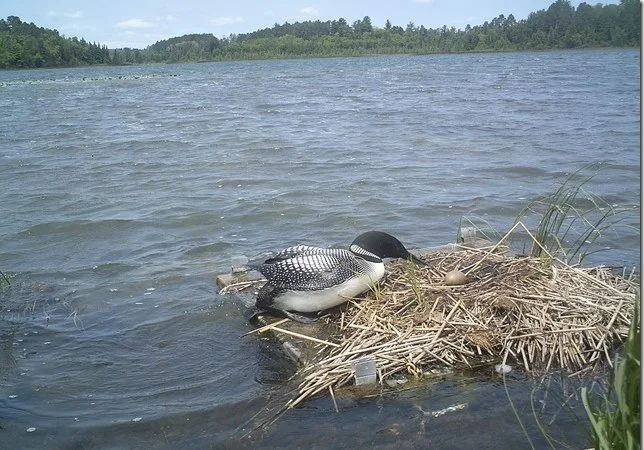
In addition to observing loon families throughout the summer, volunteers use cellular cameras mounted to or near nests to monitor egg laying, hatching, predation and other activities. They share their findings with researchers and conservation agencies, and work closely with the Minnesota Department of Natural Resources and the U.S. Geological Survey.
In 2026, the team added more nest cameras and solar panels. The panels keep cameras charged all season, eliminating the need to disturb nests for camera battery changes. These cameras are the huge differentiator for the Mantrap Loon Project. We can track exact egg laying and hatching dates, as well as identifying predators.
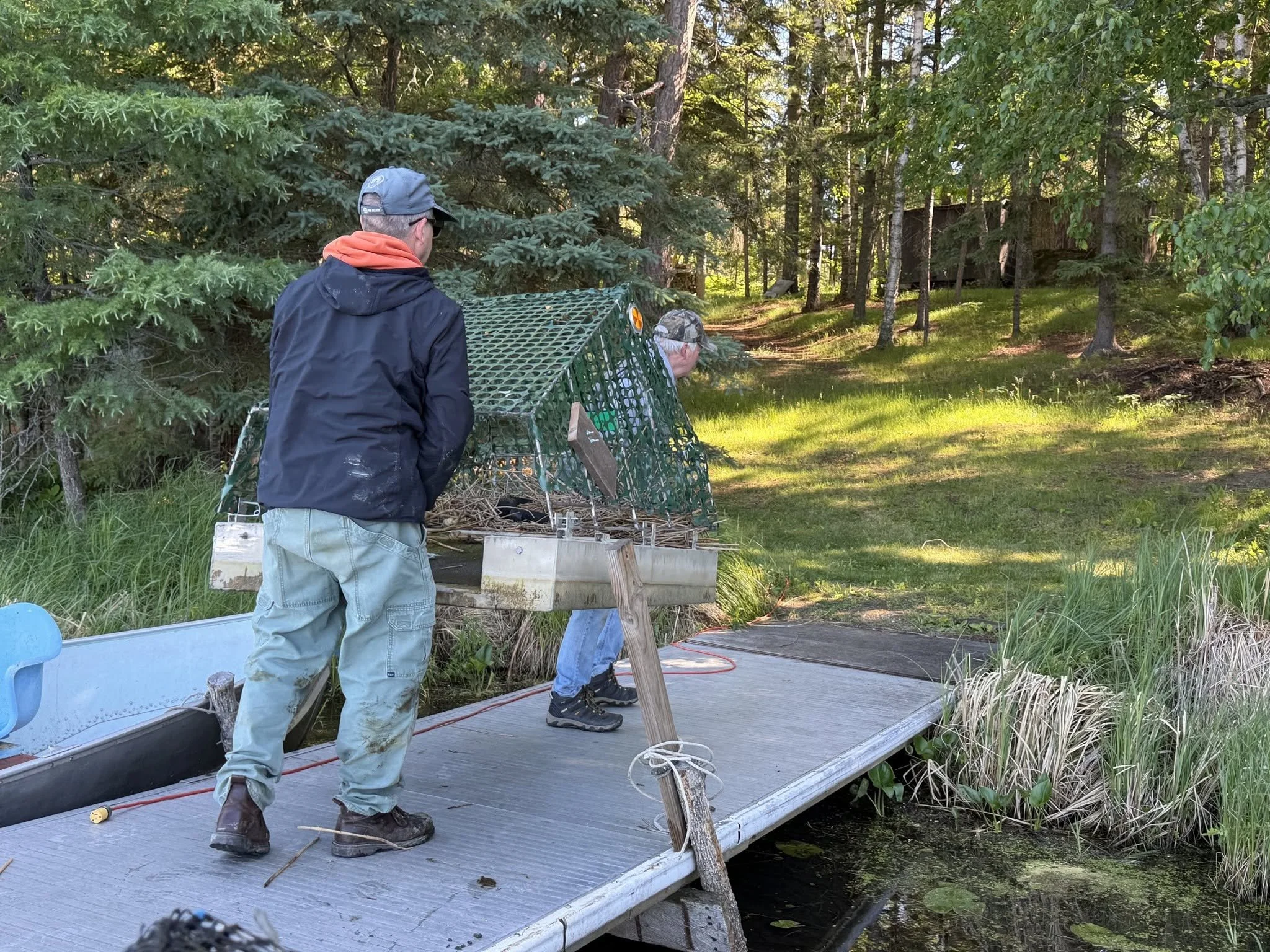
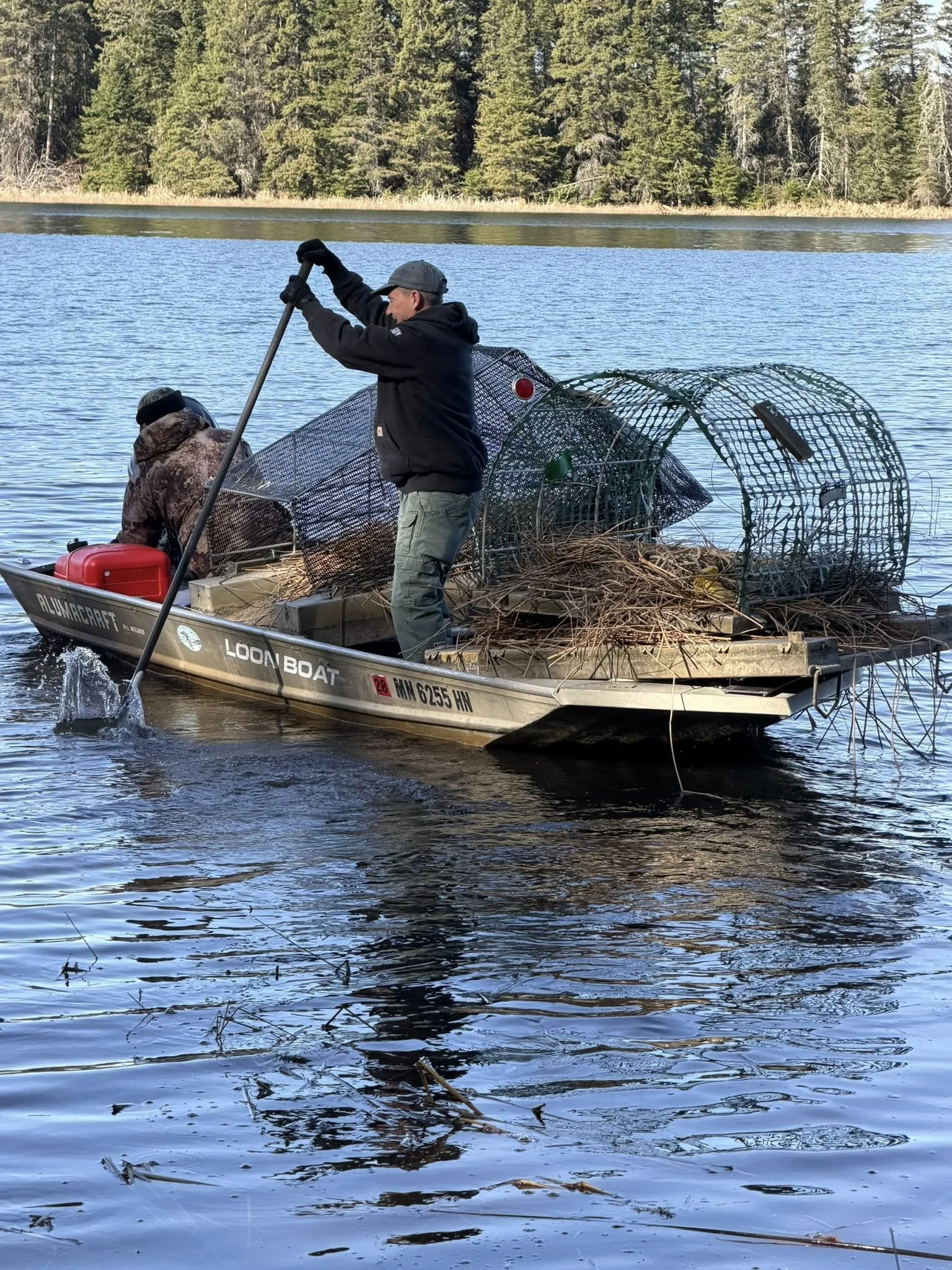
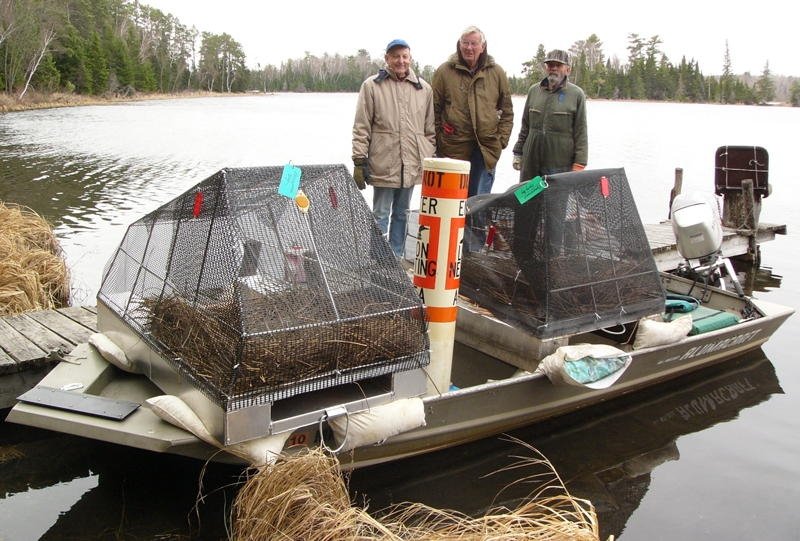
Over the years, raft fabrication materials have shifted from wood to plastic and now aluminum. Lighter weight aluminum nesting rafts best suit the needs of our lake, because of the number of rafts needed and the 7-mile length of the lake. Two rafts with anchors and buoys can be hauled in and out of a 16-foot boat.
The heart of the Loon program: The Looners
-
The Looners
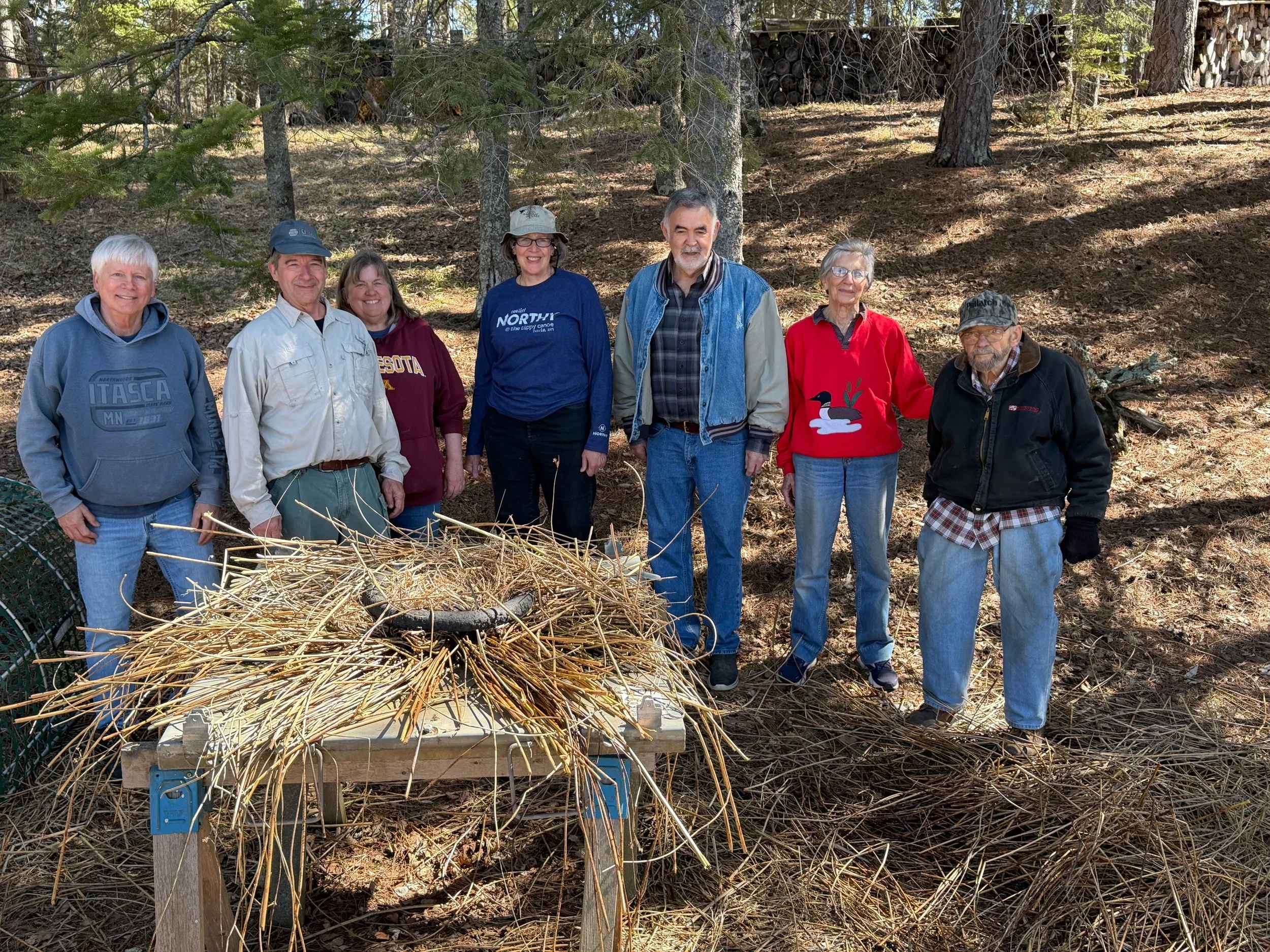
The healthy population of loons on Big Mantrap has a lot to do with the volunteer ”Looners” who run the Loon Nesting Program. This dedicated crew deploys special loon nests each spring to ensure the Loons have safe places to nest.
-
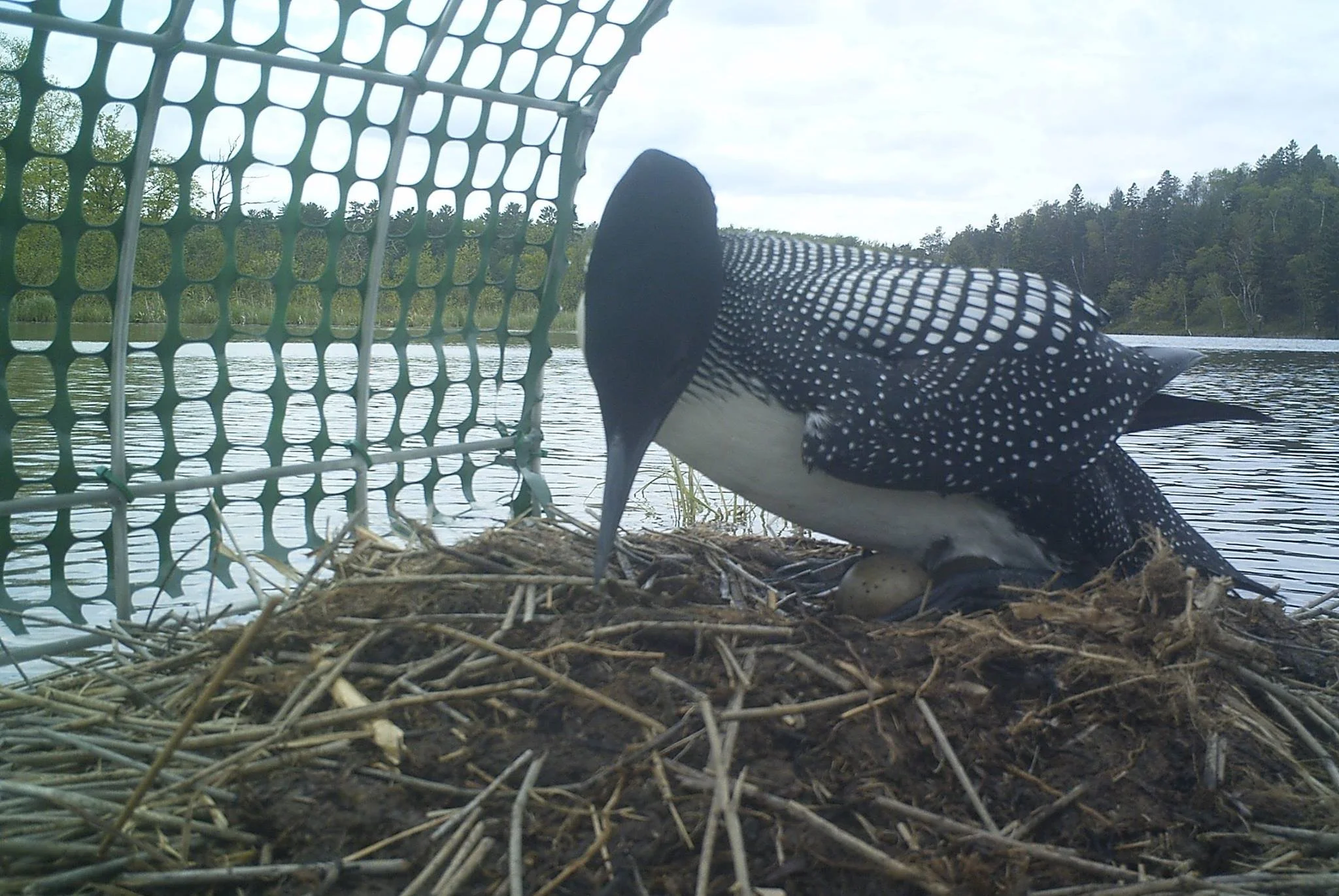
Loon Cam
Researchers have discovered that territorial male and female loons are replaced every 6–7 years. Male loons normally select the nest site. Loons may nest successfully on a raft for years, but the new male may select a natural nest site within the area.
-
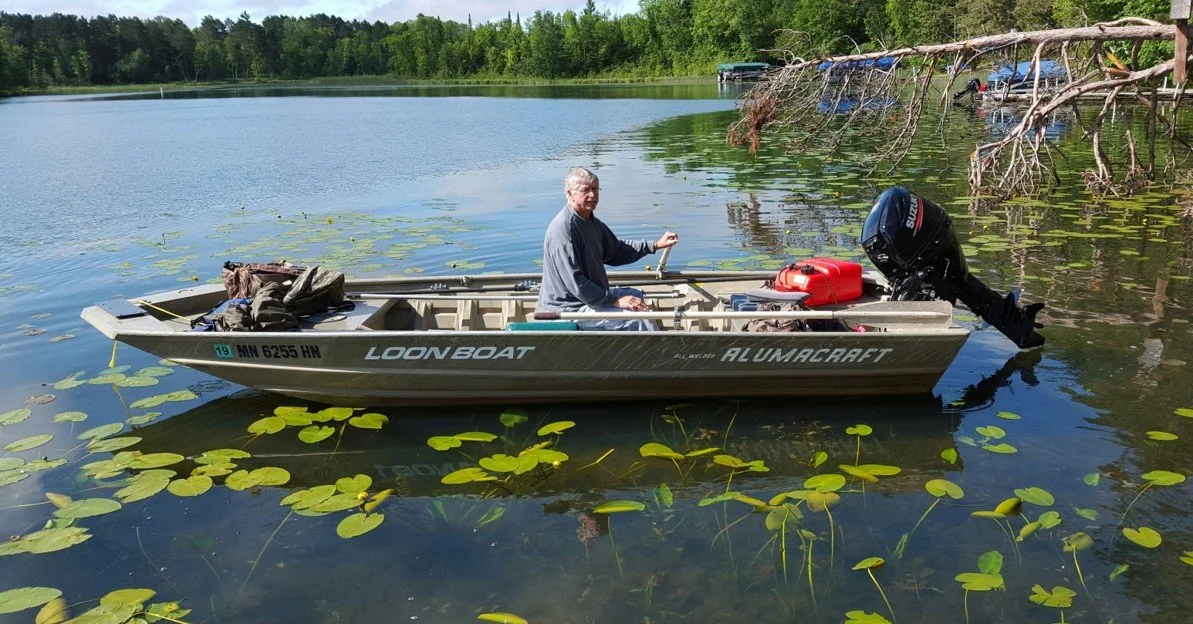
Barry & The Boat
The Looner Leader — Barry Guptill and the loon boat.